Why Traditional Stationery Is Losing Competitiveness in 2025
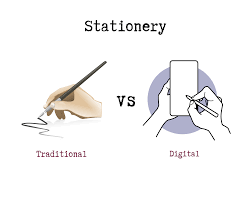
Basic stationery faces shrinking demand and low margins as digital tools take over. Old-school pens and notebooks are becoming just another commodity and get lost in a crowded market.
Traditional stationery loses competitiveness because digital alternatives replace routine writing, generic items face price wars, and only niche or experiential products manage to thrive or command premium margins.

Three years ago, I watched simple pens and notebooks lose shelf space to tech gadgets at my local office supplies shop. The products that held on either had strong stories—eco-friendly materials, unique designs, or luxury packaging—or were sold as gifts for special occasions. I realized, to thrive, I had to transform my own stationery sales into an experience. Basic products kept losing ground to mass retailers and online stores unless I changed the positioning.
What is the future of the stationery industry?
Where is stationery heading in a digital-first world?
The future of the stationery industry will focus on niche categories: luxury items, personalized gifts, mindfulness tools, and artist-driven designs. Mass-market basics will continue to shrink.
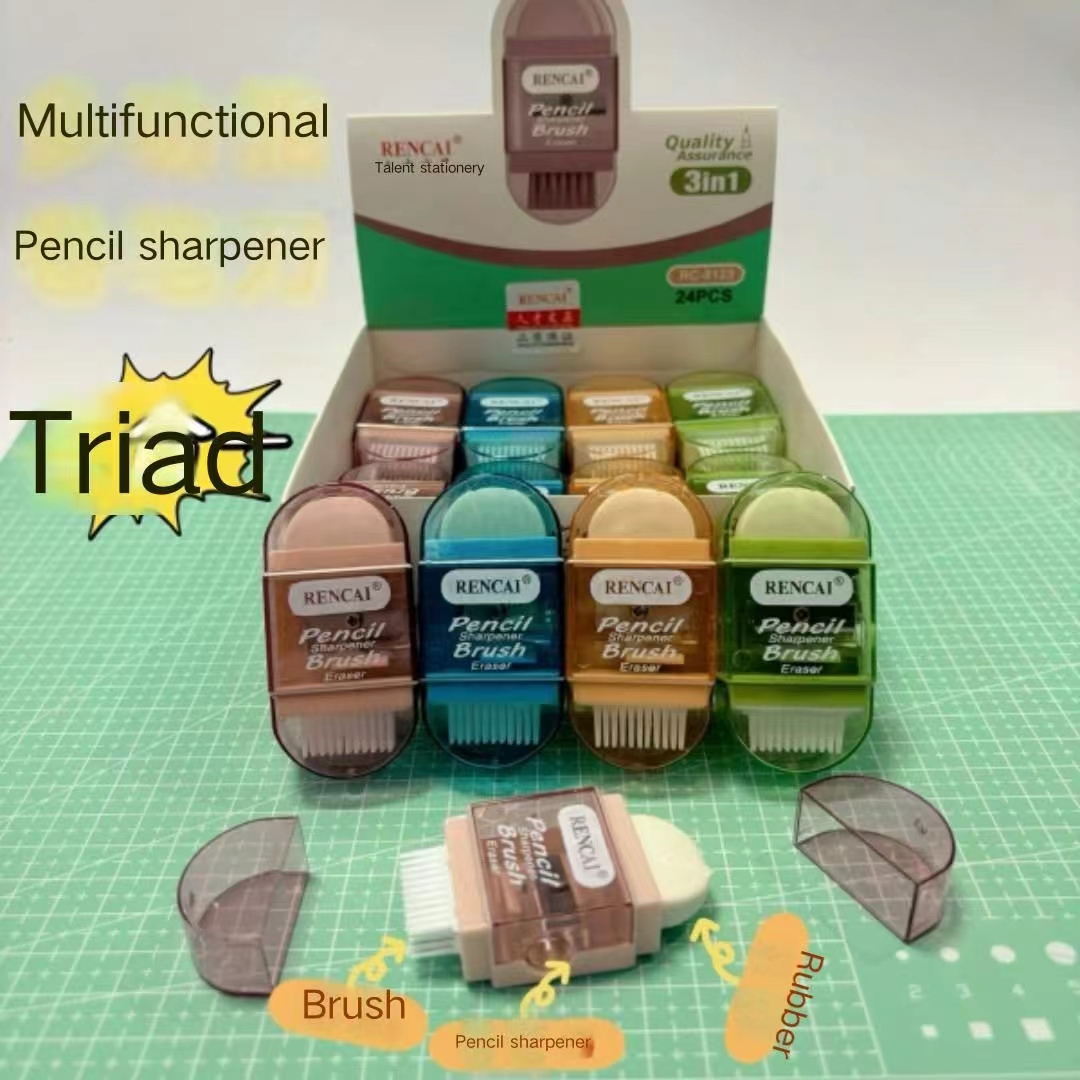
Year after year, fewer customers pick up plain notebooks or bulk packs of pens unless pushed by store promotions. Instead, people look for thoughtful journals, calligraphy sets, or custom cards. Specialty stores and independent creators grow by offering limited editions, eco-friendly options, or products tied to self-care routines. I watched brands thrive by linking stationery with lifestyle, creativity, and personal stories.
Table: Future Directions for Stationery
| Segment | Trend in 2025 | Example Products | Opportunity |
|---|---|---|---|
| Basic Commodity | Declining, low margin | Cheap pens, ruled notebooks | Only for large retailers |
| Luxury/Artisan | Growing, premium pricing | Handmade journals, custom sets | Higher margins |
| Gift/Self-Expression | Expanding, experiential | Mindfulness planners, design cards | Emotional connection |
Is a stationery business profitable?
Can selling stationery earn strong returns in 2025?
A stationery business is profitable only when it moves beyond cheap bulk goods and focuses on unique, purpose-driven products that appeal to consumers seeking meaning, quality, or customization.
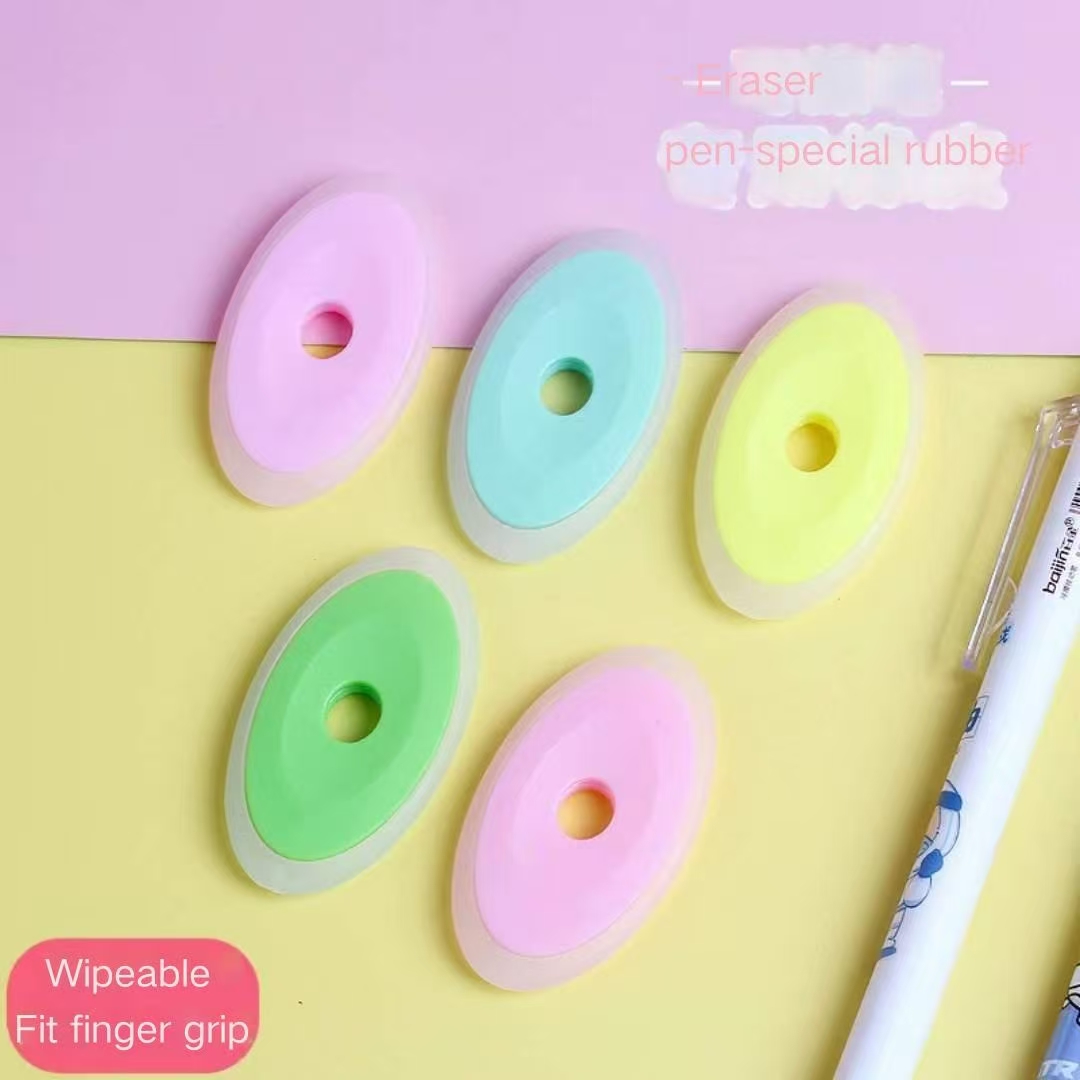
Early on, I struggled to make ends meet selling standard office supplies. Margin was thin and competition was everywhere. Once I shifted to boutique offerings like personalized planners or artist-designed pens, my average sale climbed. Customers paid more for something distinct and meaningful. Profits grew when the business told a story and added value far beyond function.
Table: Stationery Profitability Drivers
| Factor | Profit Impact | Example | Challenge |
|---|---|---|---|
| Volume Bulk | Low margins | Generic school supplies | Price wars, high competition |
| Unique/Niche | High margins | Artisanal notebooks | Smaller but loyal audience |
| Gift Experience | Premium pricing | Custom greeting cards | Requires strong branding |
| Brand Story | Boosts loyalty and margin | Eco-friendly sets | Needs authentic narrative |
Does stationery sell well on Etsy?
How do creative channels perform for stationery sellers?
Stationery sells well on Etsy when it is unique or handmade, serving markets for custom gifts, artistic journals, and personalized design not covered by big-box stores.
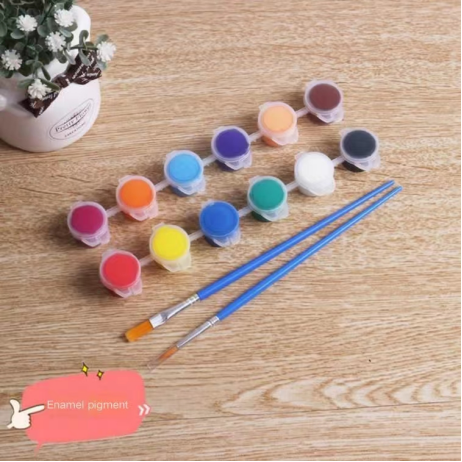
When I launched a line of hand-bound notebooks on Etsy, sales outpaced my expectations. Customers liked the story behind the products, especially if I showcased their craftsmanship and design. Products with strong images, personal touches, and emotional hooks are favored—Etsy’s customers seek what they cannot find at regular stores, giving independent sellers a real advantage.
Table: Etsy Stationery Selling Points
| Feature | Buyer Appeal | Etsy Success | Traditional Channel |
|---|---|---|---|
| Handcrafted Quality | High | Big sales | Rare |
| Personalization | Very high | Frequent orders | Limited options |
| Creative Design | High | Premium pricing | Often generic |
| Purpose/Story | Essential | Brand loyalty | Missing |
Conclusion
Traditional stationery loses ground in 2025 unless sellers focus on niche, story-driven, and experiential products1. Success depends on selling meaning and creativity2—not just basic tools.