
Why Importers Lose Margin When Products Look Too Similar
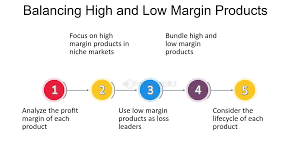
Importers struggle to protect profits when goods look nearly identical. Lack of unique features means price becomes the only battleground, and competing on price alone destroys margins.
Importers lose margin due to collapsed product differentiation, turning items into commodities. In saturated categories, customers compare only price, forcing importers to slash margins far below the standard 20–100% markup.
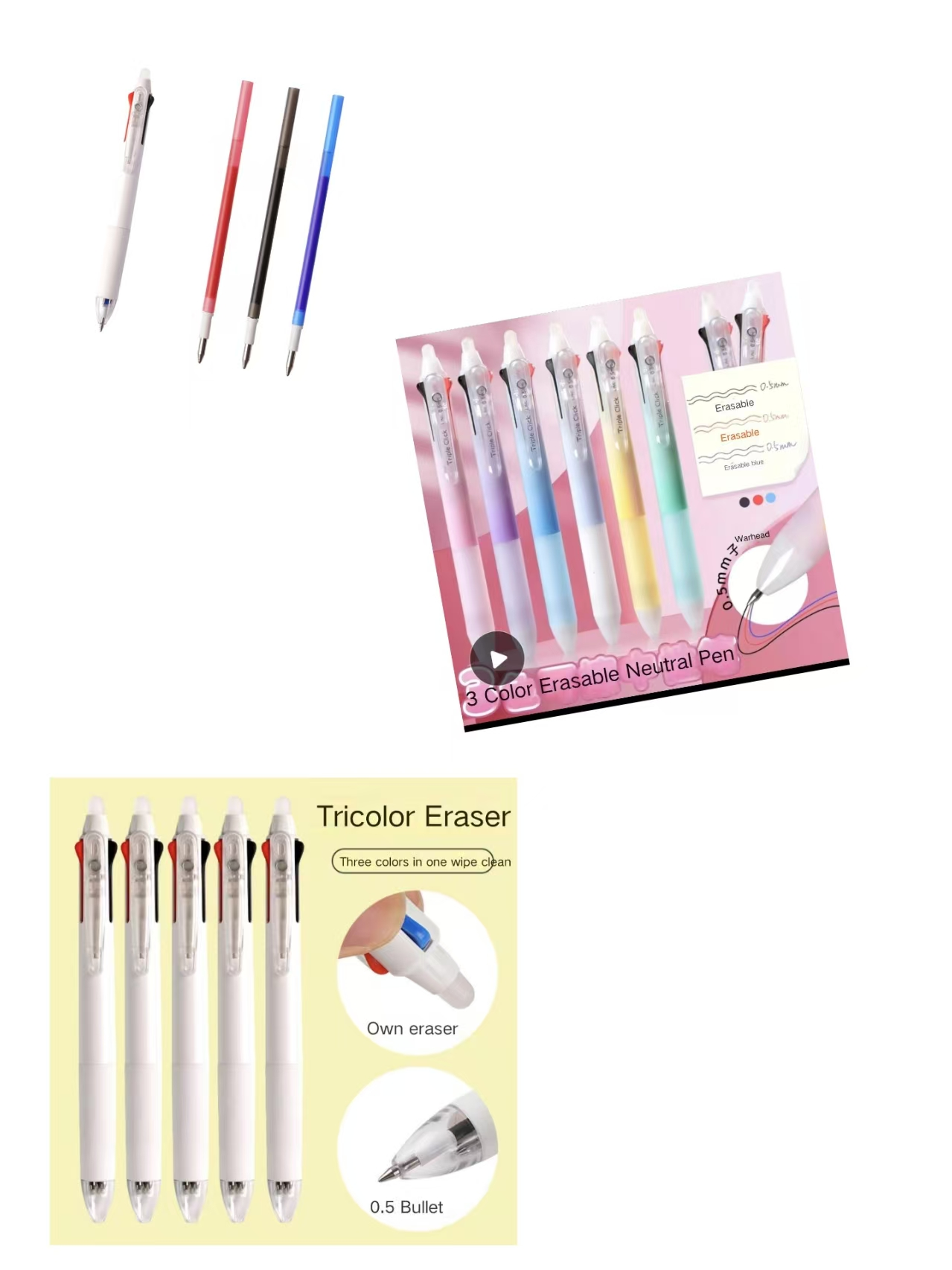
I watched margins slip year by year, especially on basics like pens or phone cases. Everyone carried the same designs, so price wars were nonstop. The moment two products look alike, the only way to sell is to offer a lower price, and the cycle never ends. When I changed course—focusing on exclusive designs, factory partnerships, and working with creators—it turned things around. The marketplace responded, and my margins recovered.
What is the average markup on imported goods?
How much do importers typically mark up products, and what affects this rate?
The average markup on imported goods ranges from 20% to over 100%, depending on category, product differentiation, and market saturation. High similarity shrinks markups to the lowest possible level.

Most importers hope for high margins, but commodity-like goods—where products look and function the same—push markups to the floor. When I brought in exclusive bundles or products with unique packaging, I could double or even triple my margin, while generic items forced me to compete at near cost. Margins are strongest when differentiation is clear.
Markup Table for Imported Goods
| Product Type | Typical Markup Range | Margin Trend in Saturated Categories |
|---|---|---|
| Commodity/Generic | 20–40% | Shrinking due to price competition |
| Branded/Exclusive | 50–100%+ | Stable or increasing with uniqueness |
| Seasonal/Specialty | 30–70% | Varies by demand and exclusivity |
How do consumer preferences for different products affect a country's trade position?
Can consumer demand for variety help a country compete globally?
Consumer preferences for unique, diverse products strengthen trade positions by supporting niche exports and high-margin categories. Homogeneity in imports makes a country vulnerable to price competition and weakens its trade stance.

When I visited markets in different countries, the story was always the same. Buyers seeking unique designs pushed local producers to innovate, exporting goods at better margins. Where consumers wanted only the basics, countries ended up importing cut-rate products, leaving domestic industry unable to compete or hold value. Building a trade strategy around diversity is like building a safety net for the entire economy.
Consumer Preference Table
| Preference Type | Trade Effect | Outcome for Importers/Exporters |
|---|---|---|
| Diverse/Unique | Strong export, niche leadership | Higher margins, brand reputation |
| Homogenous/Generic | Price-driven, weak export | Margin erosion, constant competition |
| Premium Segments | Boost innovation, stable pricing | Reliable profits, resilient demand |
What is the #1 imported product into the US?
Which product category tops the US import charts, and why does it matter for margin?
The #1 imported product into the US is typically electronics or vehicles. However, margin loss is most severe in high-volume, undifferentiated consumer goods like apparel, homeware, and accessories.
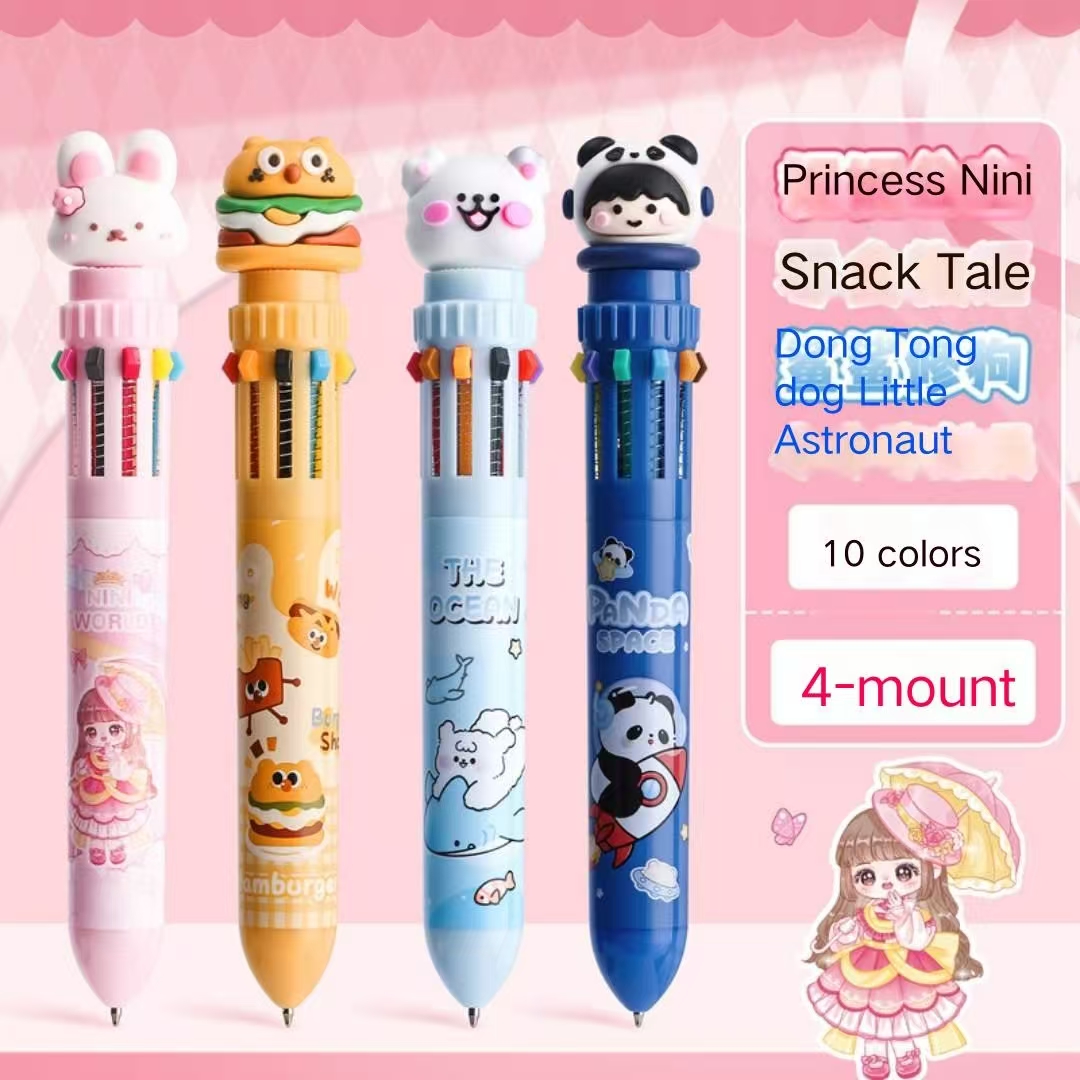
I reviewed import statistics year after year. Electronics and vehicles always dominate, but the real struggles show up in smaller, everyday categories. When a store fills up with basic gadgets or generic accessories, the chance to earn a healthy margin barely exists. In contrast, unique product lines give importers leverage, letting them maintain pricing even when competition is tough. The lesson: size matters less than saturation.
US Top Import Table
| Import Category | Volume Ranking | Margin Risk Example |
|---|---|---|
| Electronics | #1 | High volume, tight market |
| Vehicles | #2 | Brand-driven, less commodity |
| Apparel/Homeware | Top in consumer goods | Saturated, major margin loss |
Conclusion
Importers lose margin when products lack uniqueness. Similar goods lead to price wars1 and lower profits. Protecting margins means curating unique products2, building brands, and focusing on value that makes direct price comparison impossible.