How Stationery Importers Can Predict Market Shifts Earlier

Stationery importers miss key trends by watching bulk sales data from big companies. True signals show up elsewhere—often online, outside traditional channels, and ahead of official numbers.
Importers predict market shifts earlier by tracking social media trends, influencer content, tech integration, and emerging youth habits—then partnering with agile manufacturers to move faster than the industry giants.
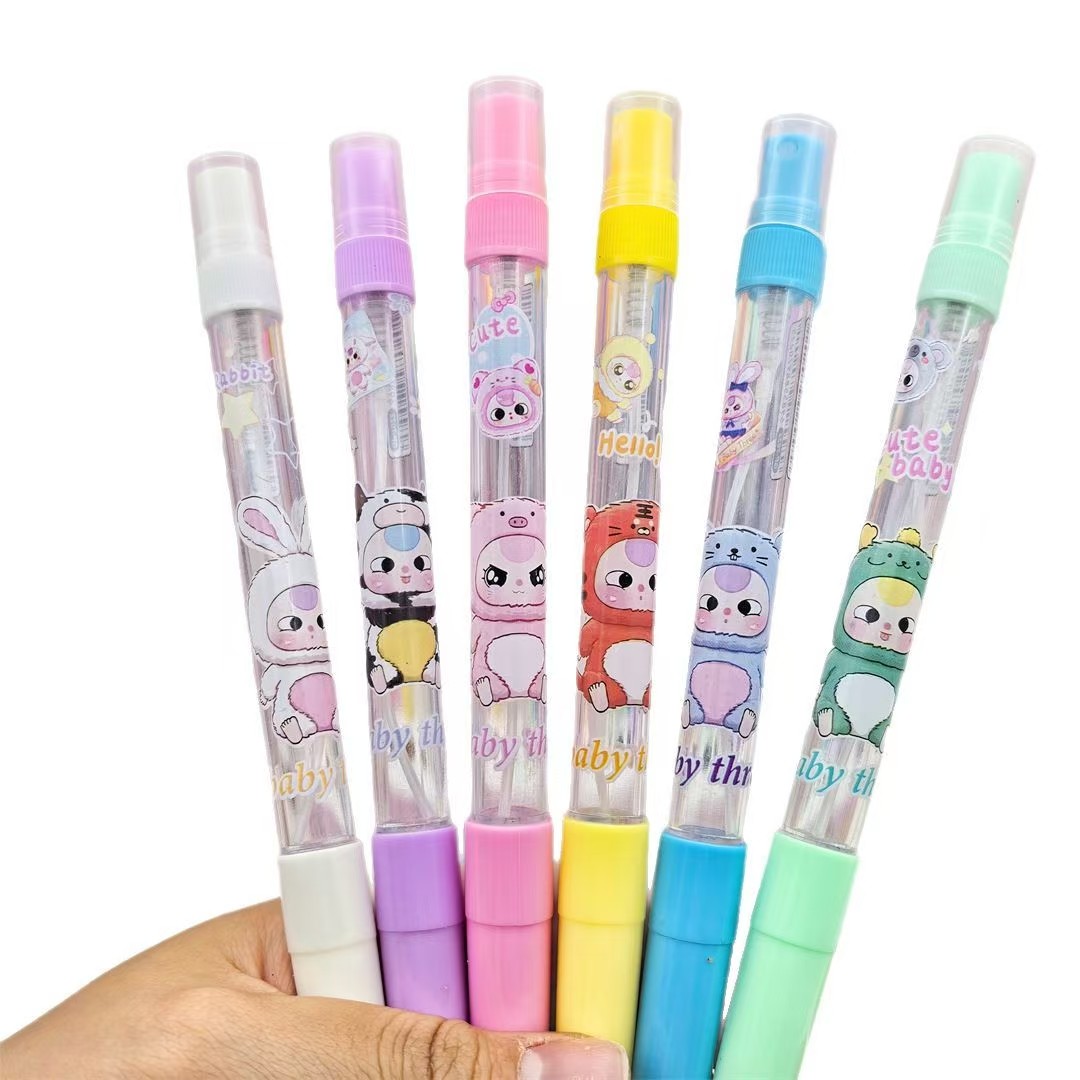
I used to rely on shipment reports from major brands. Trends seemed obvious only after the fact, and by then, competitors were already exploiting new styles. Once I started scanning TikTok for viral products, and watching college forums for new ways students mixed tech with paper, I got ahead. Sourcing from smaller, flexible suppliers let me respond to these signals weeks before bigger importers. We launched products just as the wave hit, not after.
How big is the stationery market in the world?
Is stationery a major global business?
The global stationery market is worth hundreds of billions of dollars. It's made up of many segments and thousands of brands, with sales spread across schools, offices, art, and retail.
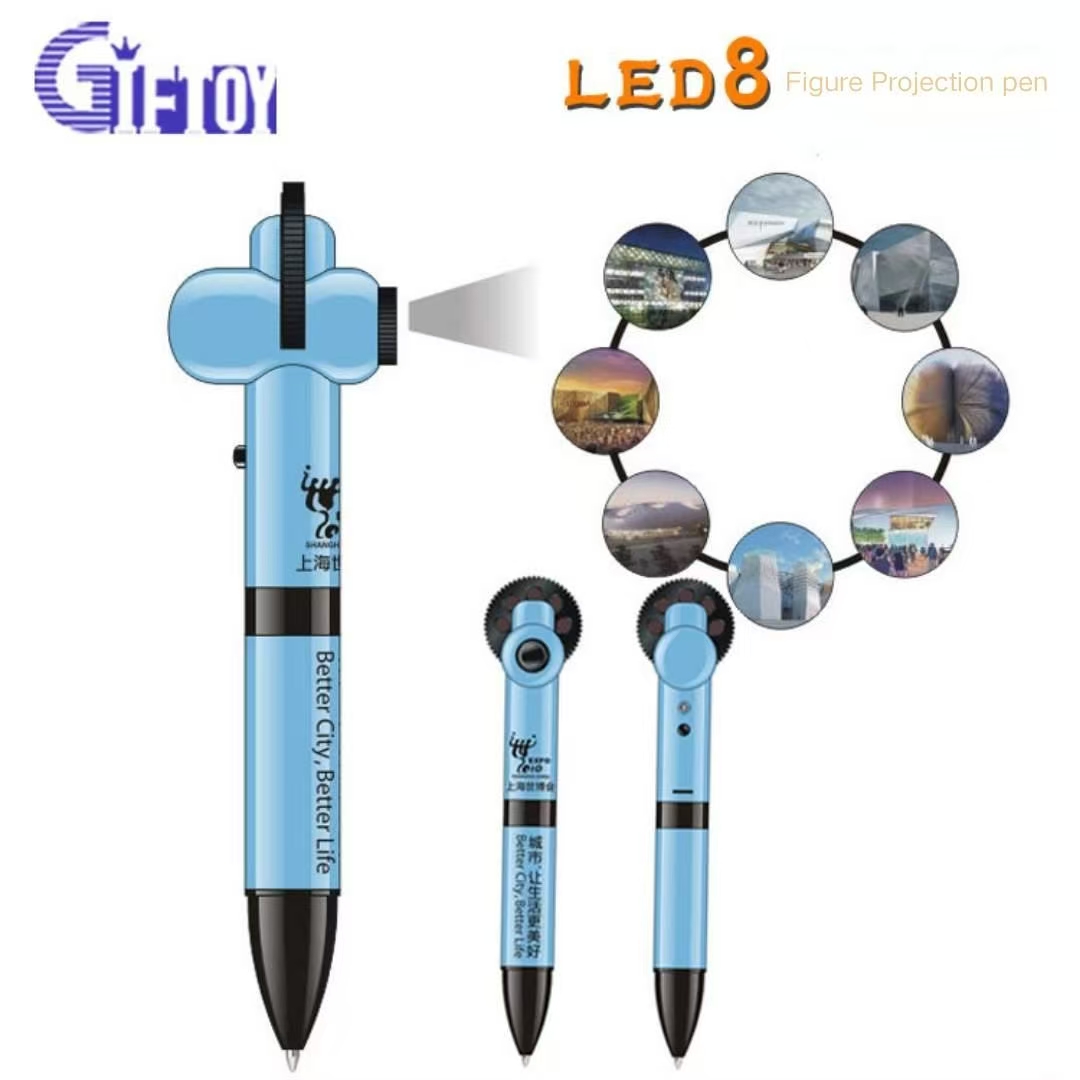
Even small importers can find opportunity because the market is fractured. The industry isn’t just about big volumes—it includes a web of niche producers making everything from luxury journals to eco-friendly pens. Most growth now comes from specialty products and fast-changing sub-niches, not mainline school or office supplies.
Table: Global Stationery Market Structure
| Segment | Estimated Value | Growth Path | Opportunity |
|---|---|---|---|
| School/Office | Very large | Stable, slow growth | Bulk importing |
| Art/Craft | Mid-size | Fast, trend-driven | Niche imports |
| Luxury/Design | Small but growing | Premium, lifestyle | Brand partnerships |
| Eco/Sustainable | Growing quickly | Driven by demand | Early entry wins |
What is the biggest stationery company in the world?
Who dominates the global market?
Muji, Pilot, Faber-Castell, and Bic are some of the world's largest stationery companies. They lead through scale, volume, and distribution networks in many countries.
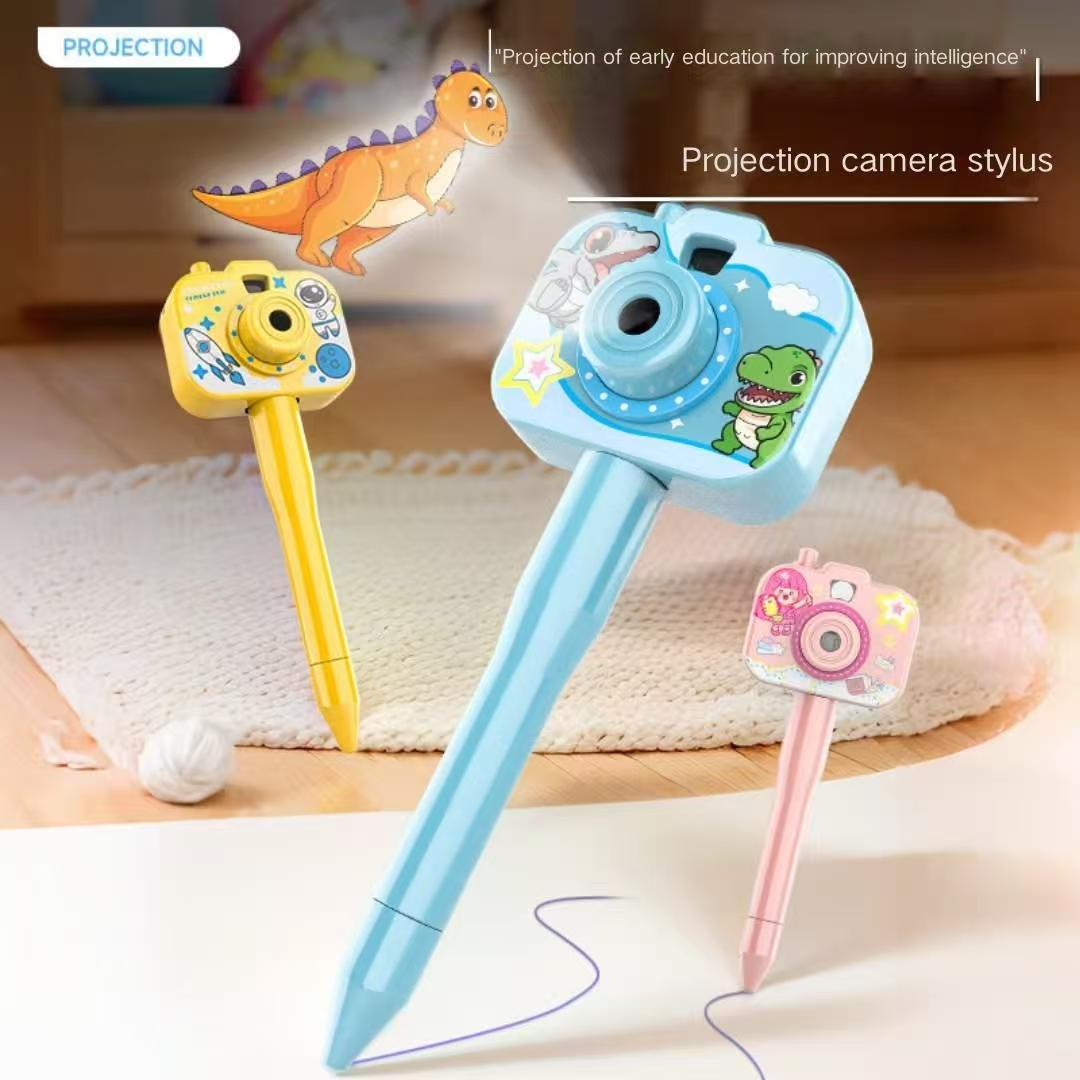
Most importers look to these leaders for signals, but their data only reflects what worked last year or quarter. They react slowly to micro-trends because volume and risk dominate their decisions. This gives small importers a timing advantage—if you read signals from smaller brands or street-level buzz, you can fill gaps before giants move.
Table: Largest Stationery Companies
| Company | Region | Main Focus | Strength | Weakness |
|---|---|---|---|---|
| Muji | Asia/Global | Minimalist goods | Design, lifestyle | Slow with trends |
| Pilot | Asia/Global | Writing instruments | R&D, variety | Conservative focus |
| Faber-Castell | Europe/Global | Art & office | Quality, heritage | Higher price |
| Bic | Global | Everyday products | Price, scale | Limited innovation |
Who makes the best stationery?
Do top brands matter for new trends?
“Best stationery” now depends on niche appeal and trend alignment, not just classic brand reputation. Brands with agility—sustainable start-ups, indie designers—often shape market shifts faster than established giants.
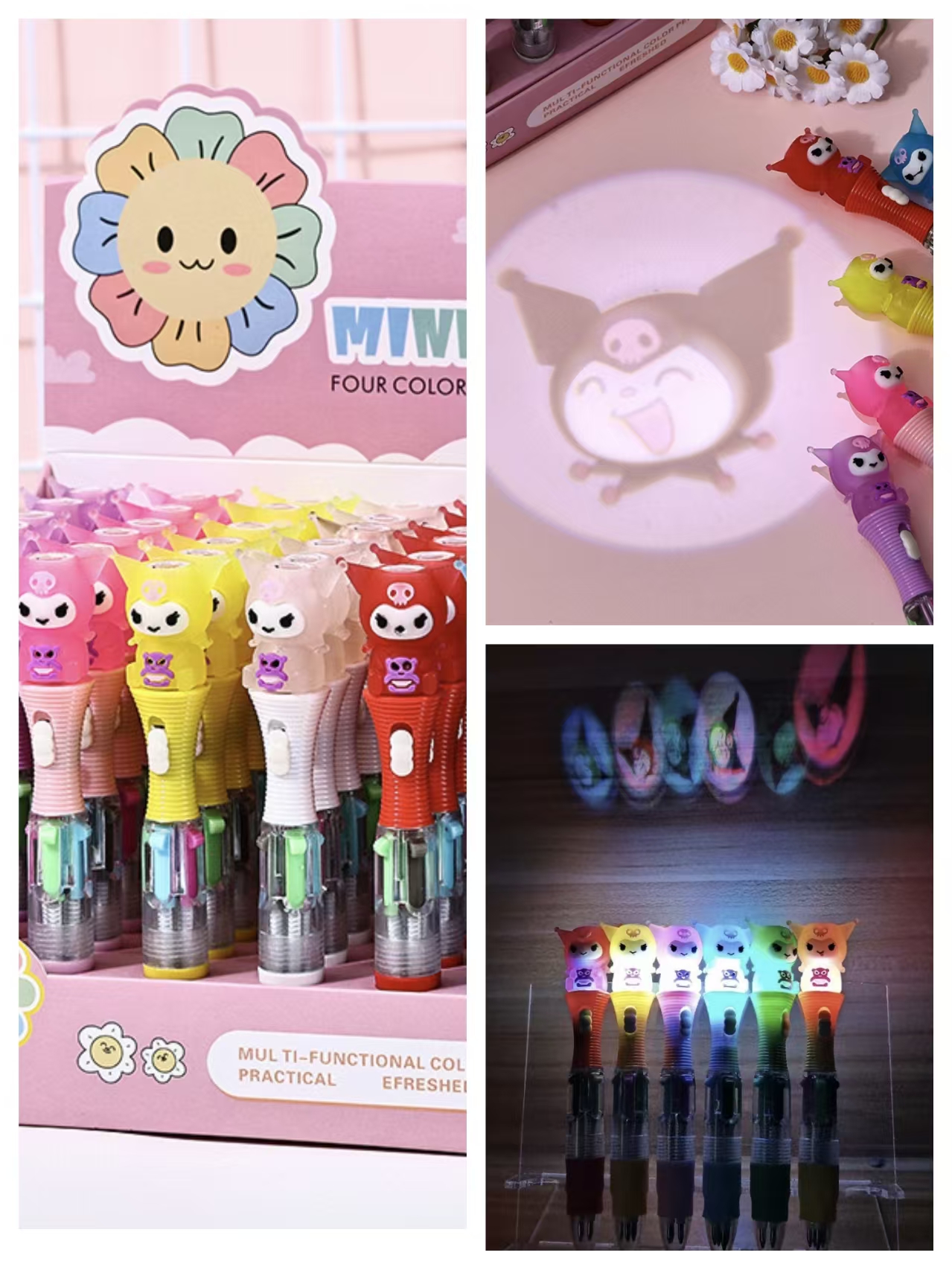
I learned this when a small Korean creator’s planner went viral on Instagram, outselling my top European options. The most desirable products lately fuse design, sustainability, and tech features. By watching which brands spark online excitement and respond quickly to new aesthetics, I predict demand months before conventional sales data catches up.
Table: “Best” Stationery Signals
| Signal Type | Who Drives It | Detection Method | Importer Edge |
|---|---|---|---|
| Viral Design | Indie brands, creators | Social platform scanning | Fast sourcing |
| Eco Features | Niche manufacturers | Green product blogs | Early adopting |
| Tech Fusion | New start-ups | Gadget channels | Hybrid imports |
| Youth Culture | Student entrepreneurs | Campus social media | Local launches |
Conclusion
Importers spot market shifts1 early by monitoring fast, culture-driven signals2 outside industry giants. Success comes from reading moments before official charts and moving quickly with agile partners.