
How Retailers Can Improve Their Assortment Without Raising Costs
# How Retailers Can Improve Their Assortment Without Raising Costs?
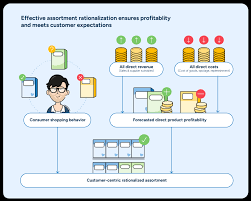
Adding more products usually means spending more, but smart retailers learn to refresh their lineup and boost sales without raising inventory budgets. The secret is smarter, data-driven assortment.
Retailers can improve assortment by trialing new products in pop-ups or online, cutting the lowest-performing items, and reallocating budget to fresh experiments—making renewal self-funding without increased costs.
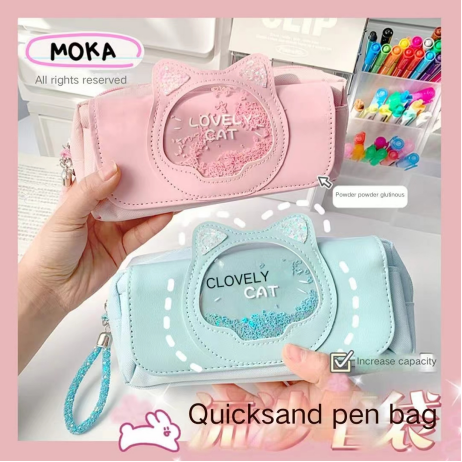
In my early days, I believed growing my product mix meant stocking more items, risking overstock and waste. As I shifted to a "test and invest" approach, running quick web-only launches or small pop-up tests, my sales rose without bumping up costs. Every quarter, I dropped the bottom 10% and reinvested in new lines. Customers noticed, and my shelves always felt fresh.
## What is an assortment strategy in retail?
How do retailers choose which products to offer?
An assortment strategy shapes the mix of products in a store, balancing category breadth and item depth with ongoing analysis to maximize sales and minimize dead stock.
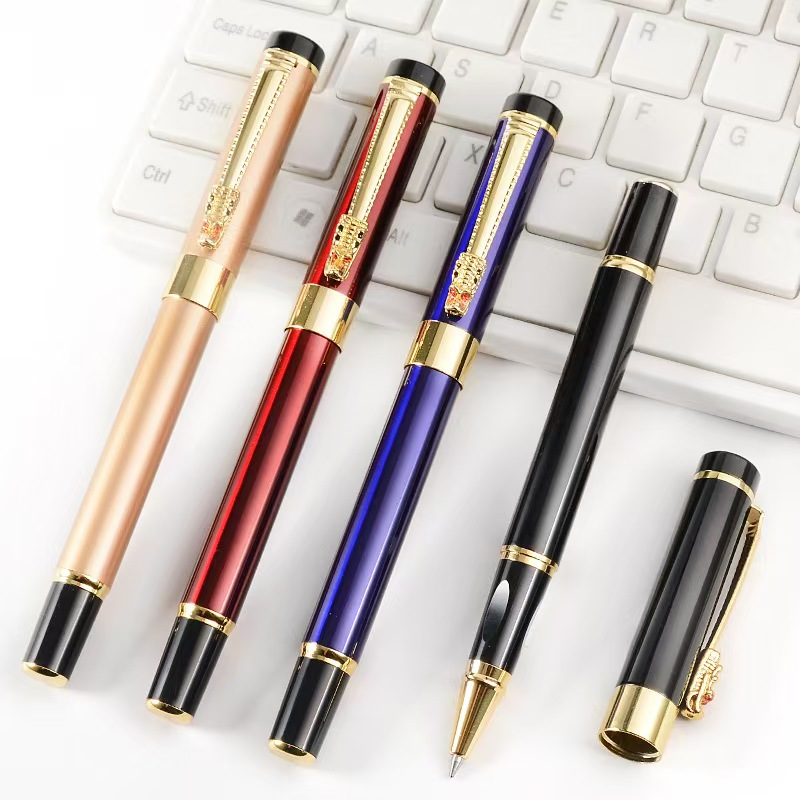
I moved from guesswork to data-driven decisions, grouping products into core staples, seasonal hits, and test items. This focus helped ensure each product earned its spot. By scheduling regular reviews, I kept merchandise relevant without growing my inventory spend.
### Table: Retail Assortment Strategy Elements
| Element | Description | Goal | Example Action |
|------------------|-----------------------------------------------|-----------------------------|--------------------------|
| Breadth | Number of categories offered | Attract diverse customers | Add stationery, apparel |
| Depth | Options within each category | Meet varied tastes | Stock multiple pen brands |
| Data-driven Flow | Regular curation based on sales | Cut waste, boost profits | Drop slow sellers |
| Experimentation | Testing new items | Find future bestsellers | Launch online exclusives |
## Which retail assortment strategy is used by a department store?
How do department stores structure their product mix?
Department stores use a broad and deep assortment strategy, offering a wide range of categories and multiple options within each, aiming for one-stop shopping convenience.

I worked briefly with a department store chain. Their floor featured everything from fashion to electronics, each section overflowing with brands and styles. This wide-and-deep mix gave shoppers choices, but managing inventory and cost was a daily challenge. We trimmed out slow-moving lines and replaced them with pop-up brands, keeping the store fresh without expanding budgets.
### Table: Department Store Assortment Strategy
| Aspect | Approach | Benefit | Challenge |
|----------------------|----------------------------------|--------------------------|-----------------------------|
| Breadth | Many categories | Attract varied shoppers | High complexity |
| Depth | Many options per category | Maximize selection | Risk of old stock |
| Constant Renewal | Frequent refreshes | Stay trend-driven | Requires strong data skills |
## What are the 5 P's of merchandising?
Which principles guide successful retail assortment?
The 5 P’s of merchandising—Product, Price, Placement, Promotion, and People—guide retailers in building an attractive, profitable assortment and selling it effectively.
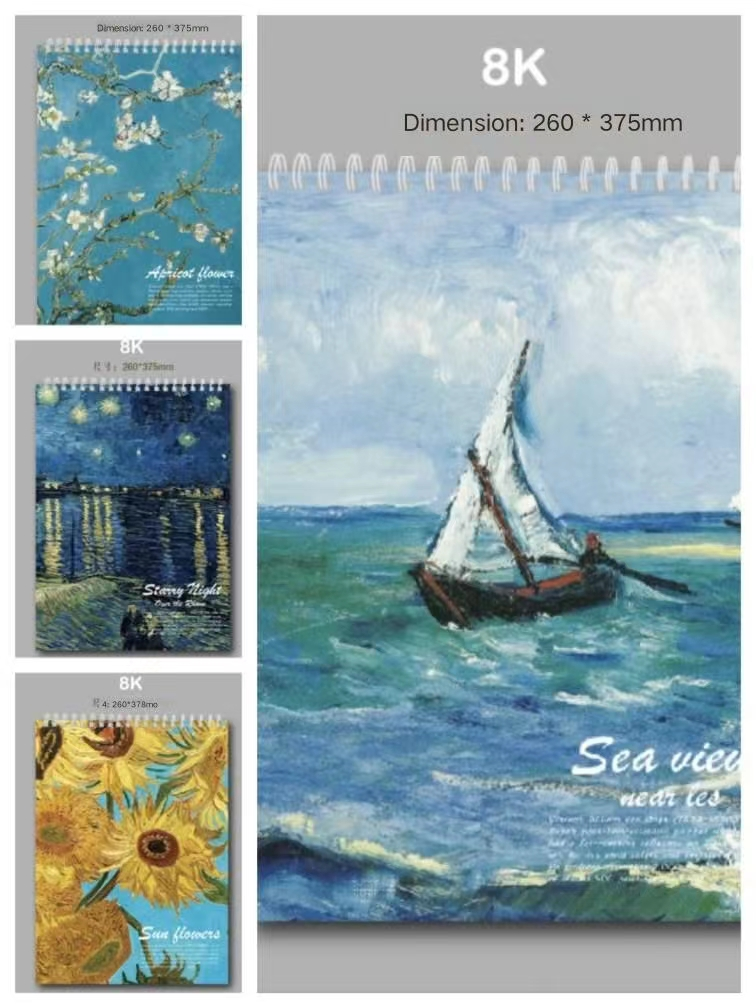
Getting my assortment right went beyond just picking SKUs. "Product" demanded constant review; "price" set my revenue, "placement" brought attention, "promotion" drove urgency, and "people" kept experience high. In practice, I focused most energy on refining my product mix, using data to phase out slow sellers and introduce new ones. This kept costs steady and sales growing.
### Table: The 5 P’s of Merchandising
| P | Role in Assortment | How I Used It | Result |
|----------------|------------------------------|------------------------------------|-----------------------------|
| Product | What you sell | Regular review, constant testing | Fresh assortment |
| Price | At what cost | Match market, use markdowns | Maintain margin |
| Placement | Where products go | Highlight fresh arrivals | Boosted sales velocity |
| Promotion | How products are marketed | Run pop-up events, online launches | Create excitement |
| People | Staff/customer interaction | Feedback for curation decisions | Stronger customer loyalty |
## Conclusion
Retailers [improve assortment](https://www.kearney.com/industry/consumer-retail/article/how-can-retailers-build-resilience-in-a-high-cost-era)1 without raising costs by testing new goods, removing poor performers, and reallocating budgets. Smart decisions, not bigger inventories, keep stores relevant and profitable.
---Discover strategies that retailers use to enhance product variety while managing expenses effectively. ↩