
How Retailers Can Add Fresh Stationery Without Increasing Inventory Load

Retailers want to offer new stationery items but dread higher storage costs and excess stock. Adding fresh options often threatens profits, yet customers expect newness and variety every season.
Retailers can add fresh stationery lines by using drop-shipping and on-demand ordering. This works with limited-service wholesalers, letting stores offer new products with no need for extra inventory or storage costs.

I remember scrambling to keep shelves stocked with the latest pens and notebooks, only to get stuck with unsold extras after a slow season. The shift came when I teamed up with agile wholesalers willing to drop-ship or accept small, just-in-time orders. Now, I can test trends, launch new items, and react quickly—without locking up cash or warehouse space. Every product is a chance to grow, not a risk waiting on the shelf.
What benefits do limited service wholesalers provide for their customers?
Why work with limited-service wholesalers, and what advantages do they offer retailers?
Limited-service wholesalers offer lower prices because they avoid storage and handling, letting retailers control their own inventory. Retailers benefit from flexible ordering and reduced risk for new products.
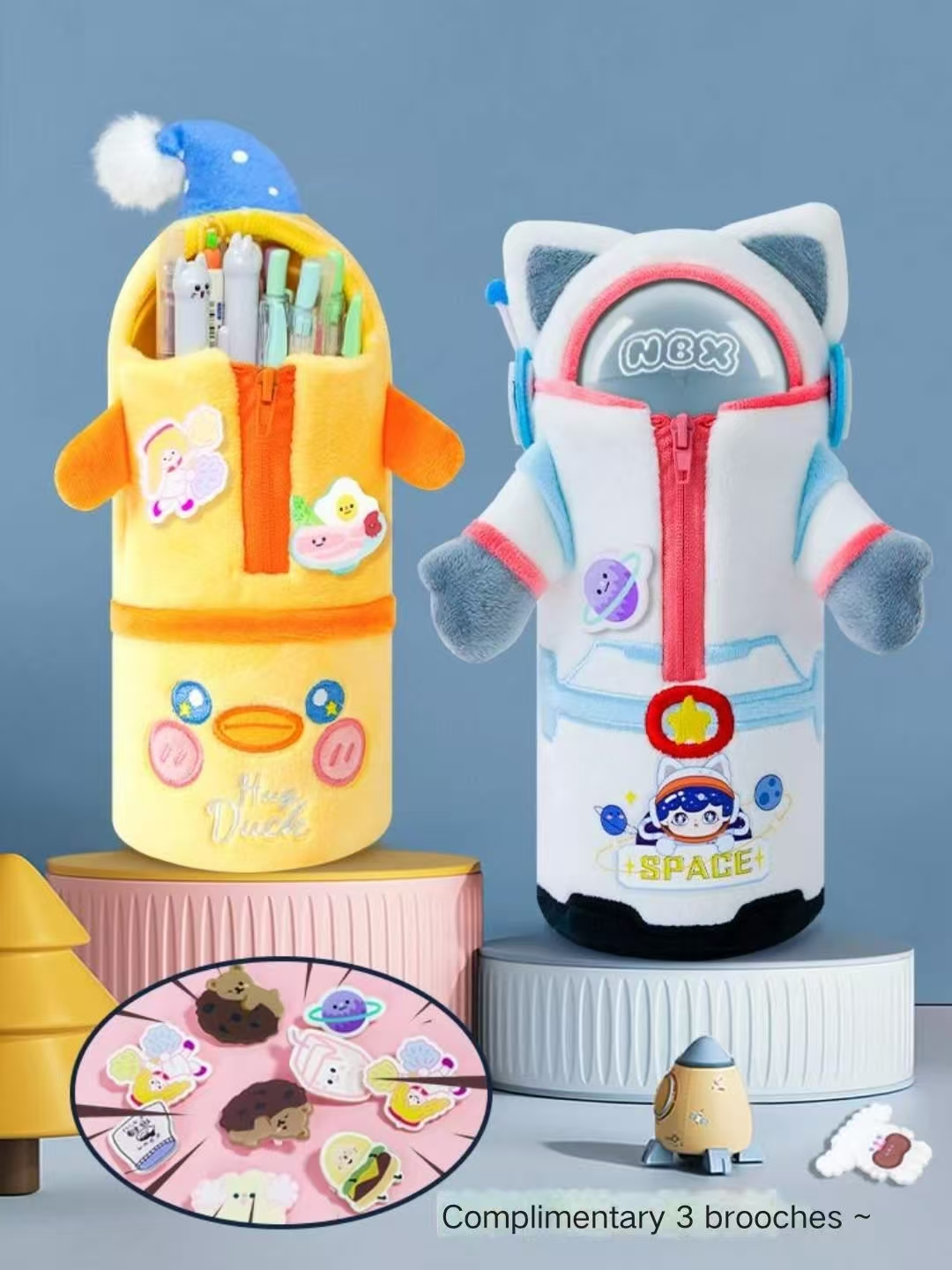
With limited-service wholesalers, I get to choose when and how much to order, only paying for what I need. These partners don’t bundle in expensive services, so their prices stay low and retailers keep their capital free. Fast-moving lines can be replenished quickly, while experiments don’t become leftover stock waste.
Limited Service Wholesaler Benefit Table
| Benefit | Why It Matters | Retailer Example |
|---|---|---|
| Lower Prices | No storage/financing markup | Cheaper new lines |
| On-Demand Ordering | Avoid excess stock | Try small batches |
| Fast Response | Quick trend adoption | Launch seasonal items |
| Reduced Risk | Test new products safely | No need for heavy buy |
What are the risks of wholesale?
What are the main dangers for retailers when sourcing products from wholesalers?
The risks include buying too much, facing low demand, and taking on slow-moving inventory. Retailers could lose money or waste space, especially when working with full-service wholesalers.
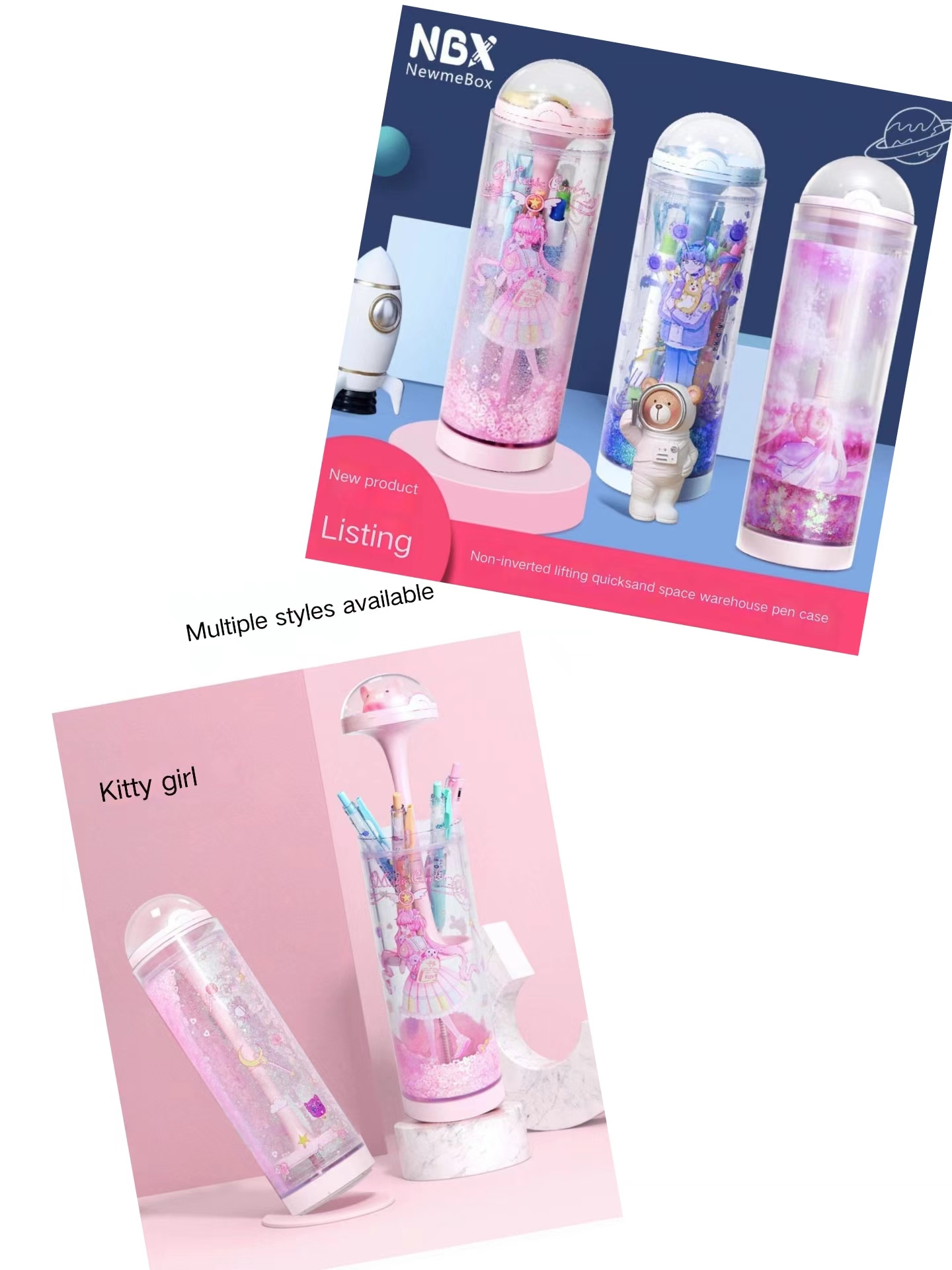
I used to order entire cases, thinking bulk discounts were always smart. When trends missed the mark, my shelves filled with unsellable items, crunching my cash flow. Full-service wholesalers push large batches and long contracts, making it hard to stay nimble. By switching to flexible or limited-service options, I now avoid being weighed down by bulk risks.
Wholesale Risks Table
| Risk | Why It Happens | How Retailers React |
|---|---|---|
| Overstock | Bulk purchase pressure | Use test orders |
| Cash Flow Strain | Tied-up capital in stock | Drop-shipping/payment plans |
| Market Misses | Slow to adjust inventory | Quick, small restocks |
| Storage Costs | Full-service fees | Partner with flexible suppliers |
What are current challenges in distribution?
Why is distribution tough for retailers seeking fresh stationery lines right now?
Challenges include high shipping costs, unpredictable demand, long lead times, and the ongoing risk of inventory overstock. Retailers struggle to balance variety with financial efficiency.

I watch trends shift monthly: prices spike, customers want new styles, but distribution grids stay slow. Shipping rates climb faster than demand for paper goods, and lead times stretch during busy seasons. Retailers must forecast better and react faster to avoid getting stuck with unsold product during a downturn, while still trying to delight customers with fresh choices.
Distribution Challenges Table
| Challenge | Industry Impact | Retailer Solution |
|---|---|---|
| High Shipping Costs | Higher item prices, smaller margins | Combine shipments |
| Unpredictable Demand | Inventory pileup/stockouts | Use real-time data/order smaller |
| Long Lead Times | Can’t restock quickly | On-demand ordering |
| Overstock Risk | Lost value, waste | Drop-shipping/test runs |
Conclusion
Retailers can add fresh stationery and keep costs down by using on-demand ordering1 and drop-shipping2 with limited-service wholesalers. This model cuts inventory risk and storage costs, letting stores launch new products fast and test trends without guessing demand. Strategic, flexible partnerships turn inventory load from a liability into an asset, helping retailers stay agile, responsive, and competitive in a changing market.