
How Buyers Can Solve the Problem of Slow Product Refresh Cycles
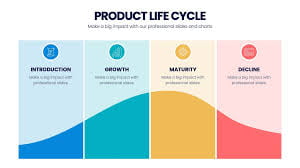
A slow product refresh cycle frustrates buyers and limits market growth. When newness disappears, sales slump and customers look elsewhere for fresh options.
Buyers can overcome slow refresh cycles by using small-batch innovation and a hybrid sourcing strategy—on-demand manufacturing for trends, and offshore suppliers for ongoing staples. Quick pivots based on real sales data speed up refresh and keep shelves appealing.

Years ago, I waited for seasonal launches, hoping each new collection would spark interest. More often than not, slow-moving goods gathered dust while I missed emerging trends. I learned to add capsule drops and split my sourcing—trendy items came from local, nimble producers, and basics from large factories overseas. My focus shifted from planning out seasons to continually refreshing based on week-to-week sales numbers.
What are the two main ways to extend the product life cycle?
Can buyers keep products selling longer, and how?
The two main ways to extend a product’s life cycle are: market development (finding new buyers or uses) and product modification (adding new features, styles, or packaging to revive interest).

I tried market development first, promoting old favorites to new customer segments, like schools or offices. Sometimes, I got traction, but product modification worked best overall. Changing a design, bundling with fresh accessories, or updating packaging made old items feel new again. Combining both tactics helped keep aging goods relevant and moving.
Table: Extending the Product Life Cycle
| Strategy | What It Means | Example Action | Expected Impact |
|---|---|---|---|
| Market Development | New markets or buyer groups | Sell in new regions | Longer sales tail |
| Product Modification | Change features/style/packaging | Release in new color or bundle | Boost repeat sales |
How to overcome slow sales?
What can buyers do if sales drop and inventory stalls?
To overcome slow sales, buyers need to use sales data to adjust stocking, introduce small-batch innovations, run targeted promotions, and shift quickly toward products that show real demand.

When shelves stopped moving, I started watching weekly reports with a close eye. Sometimes, cutting slow sellers and doubling down on bestsellers made a huge difference. I built links with flexible suppliers who could ship fast in response to new feedback. Quick promotions and sample trials turned initial interest into full orders, while stale stock got cleared out with bundles or flash sales.
Table: Overcoming Slow Sales
| Tactic | How It Works | Use Case | Result |
|---|---|---|---|
| Data Review | Track real-time sales | Adjust orders weekly | Lower inventory risk |
| Targeted Promotion | Focused discounts or events | Clear slow stock | Boost short-term volume |
| Small-Batch Innovation | Limited, trend-driven runs | Test new ideas quickly | Find new bestsellers |
| Supplier Flexibility | Fast response to market shifts | Local, nimble partners | Faster refresh cycles |
What is the 3-3-3 rule in sales?
Does a simple structure improve sales performance, and why does product freshness matter more?
The 3-3-3 rule advises spending three hours on each stage—preparation, execution, and follow-up—but it only works if the products being sold match what’s trending and customers’ current needs.

I tried the 3-3-3 rule with my sales team: prep our pitch, run the sale, and check in after. Discipline helped performance, but if our lineup was stale, results stayed flat. When I paired regular product updates with strong sales routines, each follow-up found customers happier and more willing to buy again. Product freshness mattered even more than process.
Table: 3-3-3 Rule vs. Product Freshness
| Step | Standard Practice | Impact With Stale Products | Impact With Fresh Products |
|---|---|---|---|
| Preparation | Learn and research | Better outreach but low sales | Higher initial engagement |
| Execution | Pitch and close | Work hard for each sale | Easier, more successful |
| Follow-up | Maintain relationships | May not re-engage buyers | Grows loyalty, more orders |
Conclusion
Buyers can speed up product cycles and overcome slow sales by shifting to continuous innovation1, mixing quick-turn sourcing2 for trends with core offshore supply. Coupled with sales discipline, dynamic refreshes keep stores and customers engaged.